When Should You Remove a Tree in Brisbane? Warning Signs, Safety Risks and What Homeowners Should Know
Trees provide shade, improve outdoor spaces and contribute to the appearance of a property. However, damaged, unstable or poorly positioned trees can sometimes create safety concerns for Brisbane homeowners. Knowing when a tree needs professional attention can help reduce the risk of property damage and protect people around the home.
Not every unhealthy tree needs to be removed. In some cases, pruning or other tree maintenance may be sufficient. Understanding the warning signs can help you decide when to seek a professional assessment.
What Are the Warning Signs That a Tree May Need Removal?
Several visible changes may indicate that a tree has become unsafe or is declining in health. While these signs do not automatically mean removal is necessary, they should not be ignored.
1. Large or Splitting Branches
Branches that are cracked, hanging or partially broken can fall unexpectedly, particularly during strong winds and storms. Large damaged branches above driveways, roofs, footpaths or outdoor living areas may require prompt attention.
Professional tree assessment can help determine whether targeted pruning is sufficient or whether more extensive work is needed.
2. A Leaning or Unstable Tree
Some trees naturally grow at an angle. However, a new or increasing lean may indicate root problems or movement in the surrounding soil.
Look for raised soil near the base, exposed roots or cracks in the ground around the trunk. These signs may suggest that the tree’s stability has changed. Keep people away from the affected area and seek professional advice if the tree appears unstable.
3. Trunk Damage and Decay
Deep cracks, large cavities, fungal growth and areas of dead or deteriorating wood can indicate structural problems. Although some trees can remain healthy with minor defects, extensive decay may weaken the trunk and affect its ability to support the canopy.
A professional assessment can help identify the extent of the damage and determine the safest management option.
4. Significant Storm Damage
Brisbane storms can bring strong winds and heavy rain that damage branches, split trunks and disturb root systems. A tree that appears intact after a storm may still have hidden structural damage.
Check for broken limbs, hanging branches and changes around the tree’s base from a safe distance. Avoid approaching damaged trees near powerlines or attempting to remove large branches yourself.
Can a Tree Damage Your House or Other Property?
Trees growing close to buildings, fences, driveways and other structures may create problems when branches extend over roofs or limbs become unstable.
Falling branches can damage roof tiles, vehicles, outdoor furniture and fencing. In some situations, roots may also affect paving, retaining structures or underground services, depending on the species, soil conditions and location.
Before removing a tree because of its position, consider whether pruning, root management or another maintenance option could address the problem. A qualified professional can assess the tree and recommend an appropriate approach.
Should You Prune a Tree or Remove It Completely?
Tree removal is not always the first solution. The right option depends on the tree’s condition, location, stability and the extent of any damage.
Pruning may be suitable when a tree is generally healthy but has overgrown, dead or damaged branches. It can also help manage the canopy where appropriate.
Removal may be considered when a tree has severe structural damage, significant decay, serious instability or a location that presents an unacceptable risk that cannot be managed through other measures.
A professional assessment helps determine which option is suitable rather than relying on appearance alone.
What Should Brisbane Homeowners Consider Before Tree Removal?
Before arranging tree removal, consider the following factors:
Tree condition: Identify visible damage, decay, dead branches and changes in stability.
Nearby structures: Consider roofs, fences, driveways, neighbouring properties and access areas.
Access and safety: Large trees may require specialised equipment and careful planning.
Local council requirements: Some trees may be protected under Brisbane City Council rules or other applicable vegetation regulations.
Alternative solutions: Pruning or ongoing maintenance may be appropriate if the tree can safely remain.
Check the relevant council requirements before arranging work. Depending on the tree and its location, approval may be required before removal or significant pruning.
Why Is Professional Tree Removal Important?
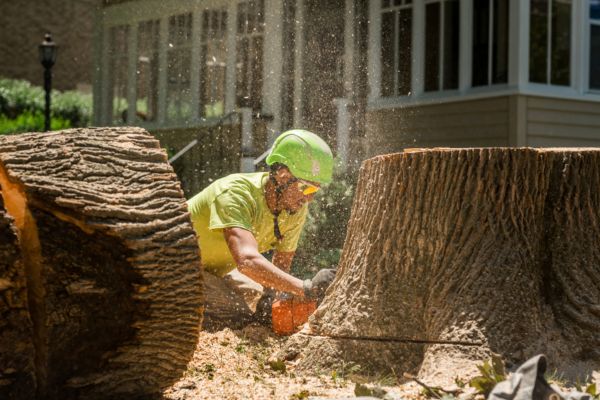
Removing a large tree can involve heavy branches, specialised cutting equipment and risks to nearby people and property. Attempting the work without appropriate training and equipment can lead to serious injuries or damage.
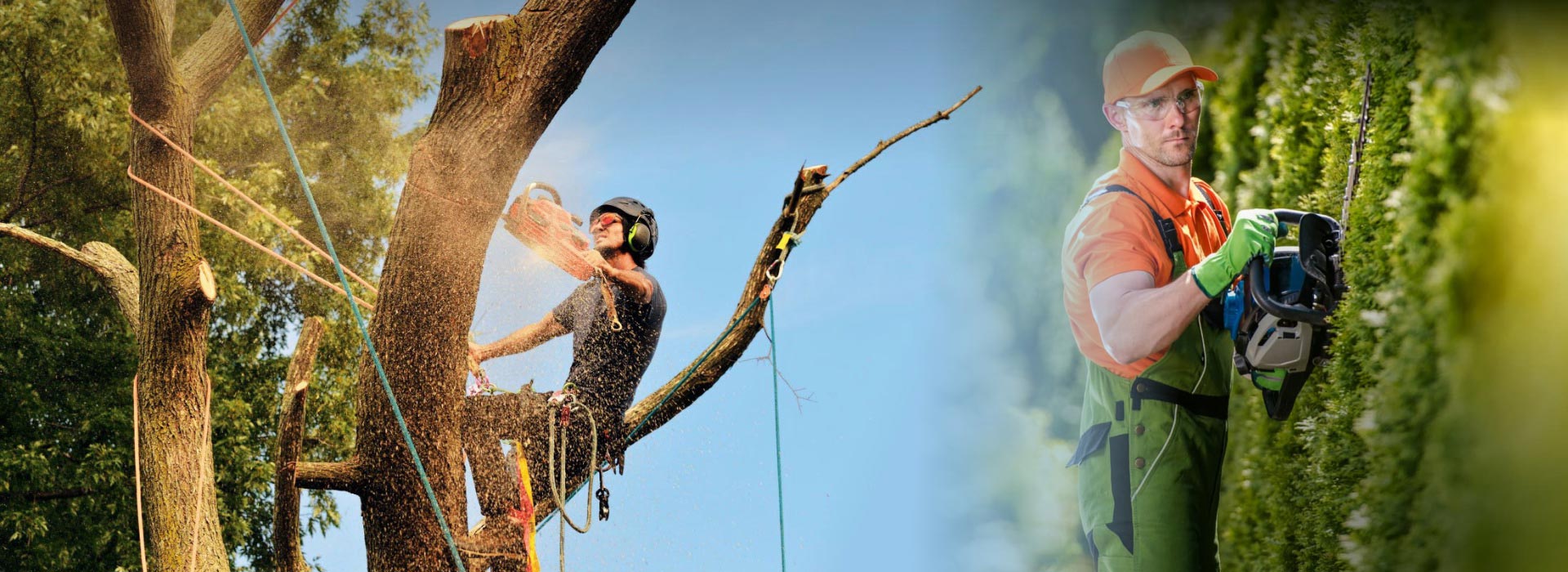
Professional tree removal involves assessing the site, planning the work, managing falling sections and considering nearby structures and access restrictions. The appropriate method depends on the tree’s size, condition and surroundings.
For homeowners who need help with damaged, dangerous or unsuitable trees,Cheaper Than All The Rest Tree Lopping’s Tree Removal Brisbane service provides a starting point for exploring professional removal services.
When Should You Arrange a Tree Assessment?
If you notice a sudden lean, a split trunk, major hanging branches or signs that roots have shifted, arrange a professional assessment promptly. Keep people away from the affected area while waiting for advice, especially after storms.
Recognising warning signs early can help Brisbane homeowners make informed decisions about tree maintenance and removal. By assessing the risks, checking local requirements and choosing the appropriate solution, you can help maintain a safer outdoor space while preserving trees where it is practical to do so.